
|


|
| REVIEWS | VIDEO | TOP TEN | PODCAST | FEATURES | TOP MOVIES | ABOUT | MERCH |
TOP 50 HORROR MOVIESWritten by Matthew Pejkovic #10 INVASION OF THE BODY SNATCHERS (1978)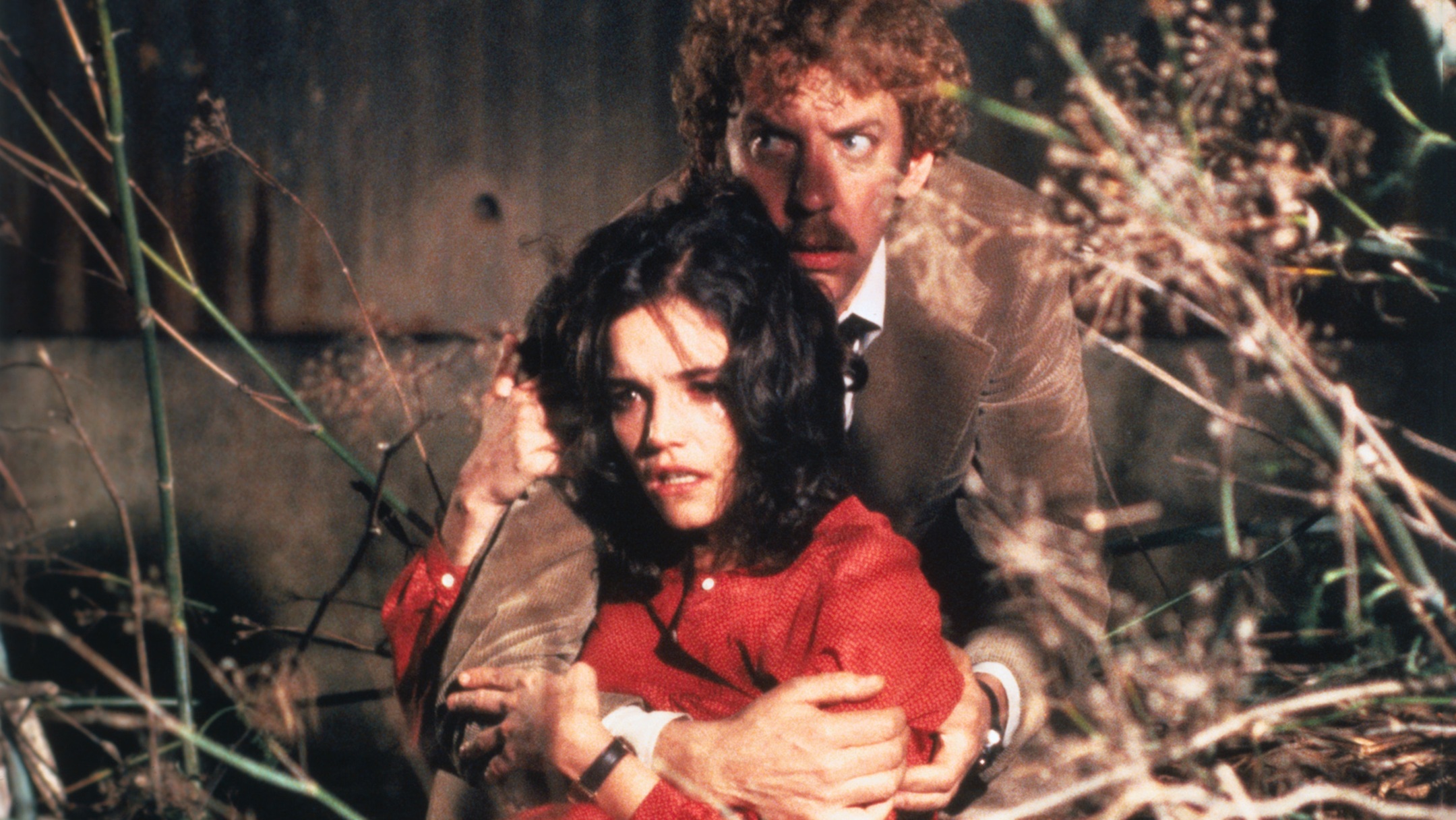
Image Credit ©Metro-Goldwyn-Mayer A frightening film that never oversteps it bounds, Invasion of the Body Snatchers works as both sci-fi thriller and gritty contemporary tale, as Philip Kauffman’s (The Right Stuff) take on Jack Finney’s seminal sci-fi novel effectively brings forth the paranoia of the late 1970’s, where civil unrest, Vietnam, and Watergate reigned supreme. The plot – as adapted by W.D. Richter – centres on Department of Health official Matthew Bennell (Donald Sutherland) who – along with several of his friends (Brooke Adams, Jeff Goldblum, and Veronica Cartwright) – must contend with an alien organism that has infected mankind, turning humanity into pale, emotionless imitations of themselves. With such a premise, it is to no surprise that the Invasion of the Body Snatchers is a genuinely creepy film that masterfully reveals there is something sinister beneath the surface, with several terrifying twists and suspenseful sequences culminating in a gut kicking conclusion. There is no Spielberg alien friendly whimsy here. There is no salvation. #9 SEVEN (1995)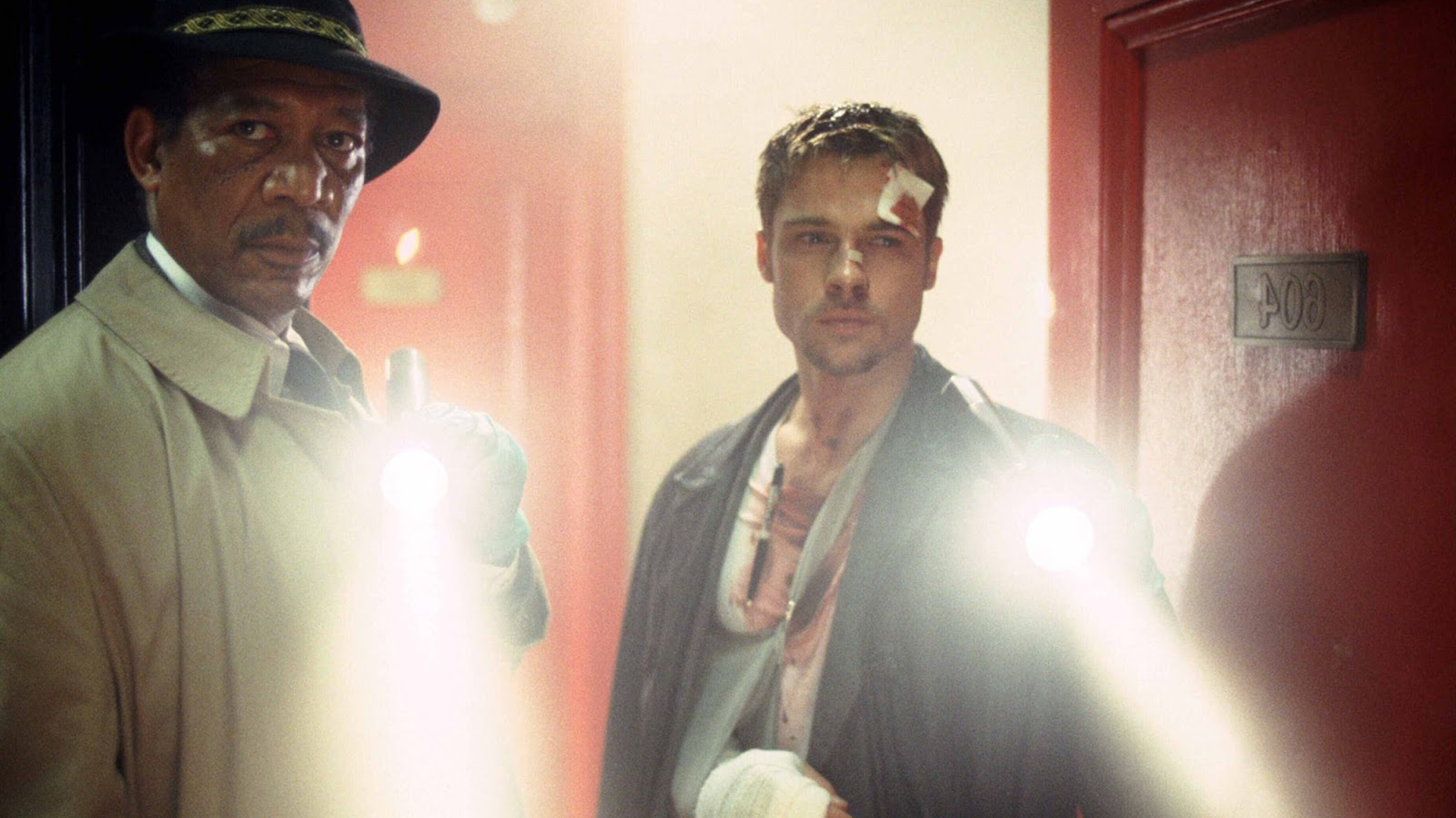
Image Credit © New Line Cinema The greatest buddy cop movie of all time (think about it) is also the best horror crime movie, with Seven offering two mismatched cops (Morgan Freeman & Brad Pitt) on the hunt of a serial killer who uses the Seven Deadly Sins as his motive. Perhaps most important is that Seven gave us the first classic from master filmmaker David Fincher (Zodiac), who bounced back from the critically panned Alien 3 with a horror crime thriller that has seared the minds of film fans everywhere, with its intelligent mystery and grimy, rain drenched aesthetic still holding a powerful effect decades after its release. With an uncredited Kevin Spacey delivering chills as the murderous John Doe, and an ending to end all endings, Seven is an undeniable masterwork of visual and thematic power. #8 THE WICKER MAN (1973)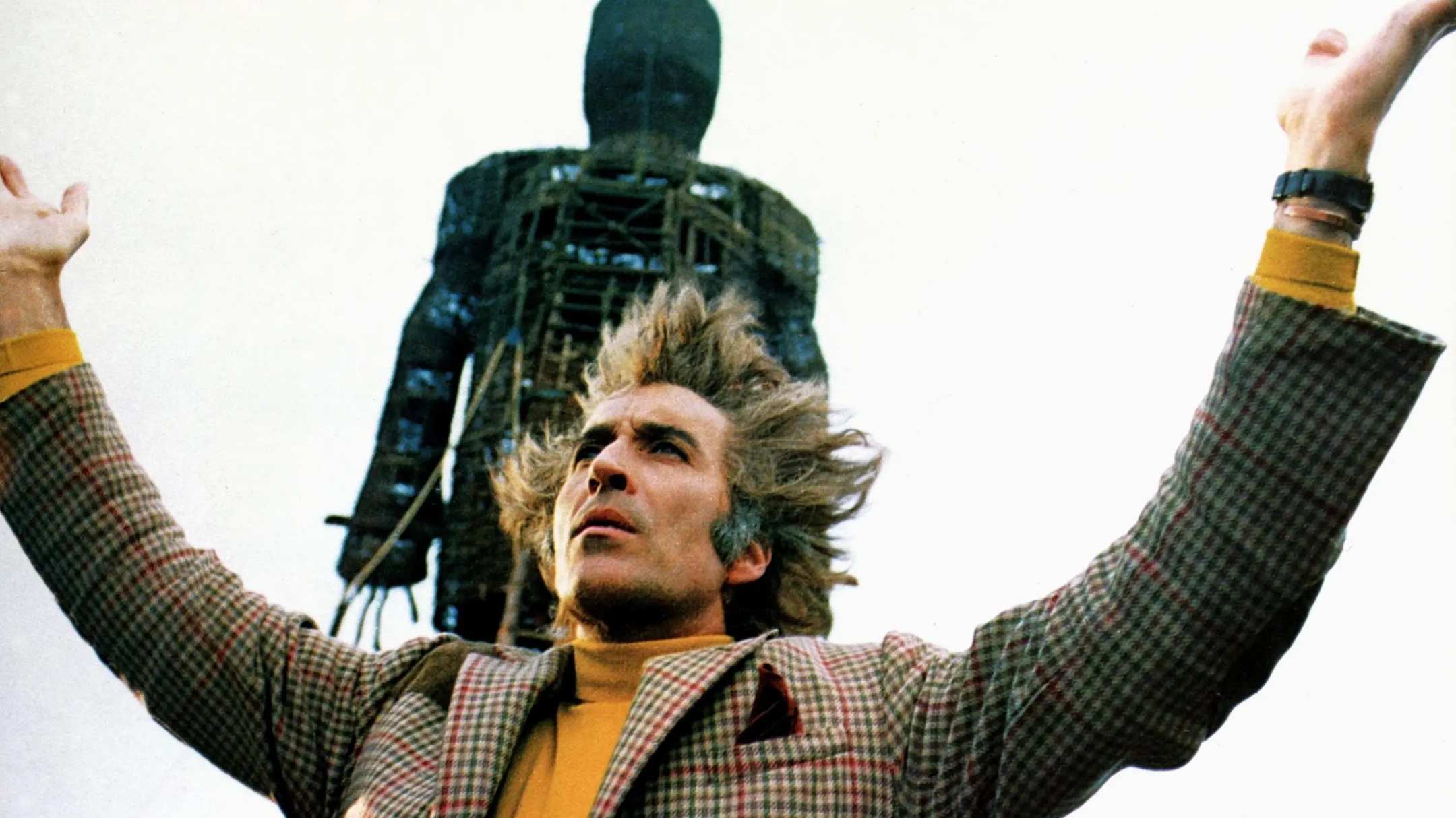
Image Credit ©Studiocanal Paganism, folk music, and a gripping mystery combine in The Wicker Man, an unsettling horror that still stands as a frightening and weird entry in the genre. Edward Woodward stars in The Wicker Man as Sergeant Howie, a strait-laced police detective - and Christian – who arrives on a remote island village to investigate the disappearance of a missing girl. Instead, he unravels a conspiracy and…well, you’ll have to watch to know the rest. Directed by Robin Hardy and featuring British horror legends Christopher Lee and Ingrid Pitt in villainous roles, The Wicker Man draws its power from a slow, methodical build, as Woodward’s rigid faith collides with the island’s cheerful pagan rituals. The image of a giant wicker man statue in flames remains a highlight in horror iconography.  #7 FRANKENSTEIN (1931)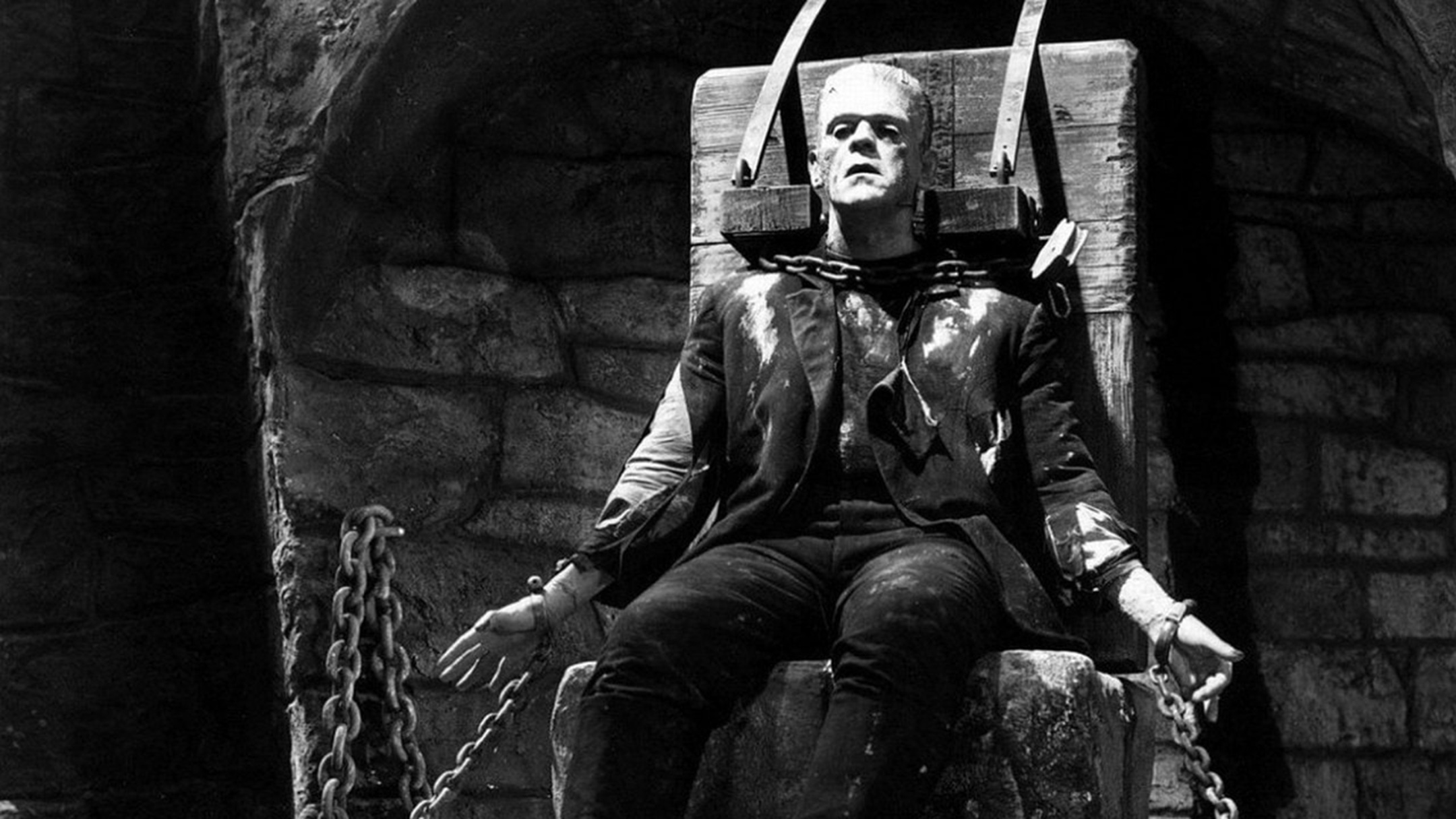
Image Credit © Universal Pictures James Whale’s Frankenstein remains the definitive screen version of Mary Shelley’s story and one of the most influential horror films ever made. Colin Clive plays Henry Frankenstein, a scientist driven to create life from the dead. When he succeeds, the result is a creature brought to the screen by Boris Karloff in a performance of remarkable physical control and quiet sadness. Karloff’s Monster is both frightening and strangely pitiable, a being who never asked to exist and is rejected by the world that made him. Whale directs with a sharp sense of atmosphere and theatrical flair, particularly in the creation sequence. The film’s stark visuals and Karloff’s presence have defined the character for generations. #6 NOSFERATU (1922)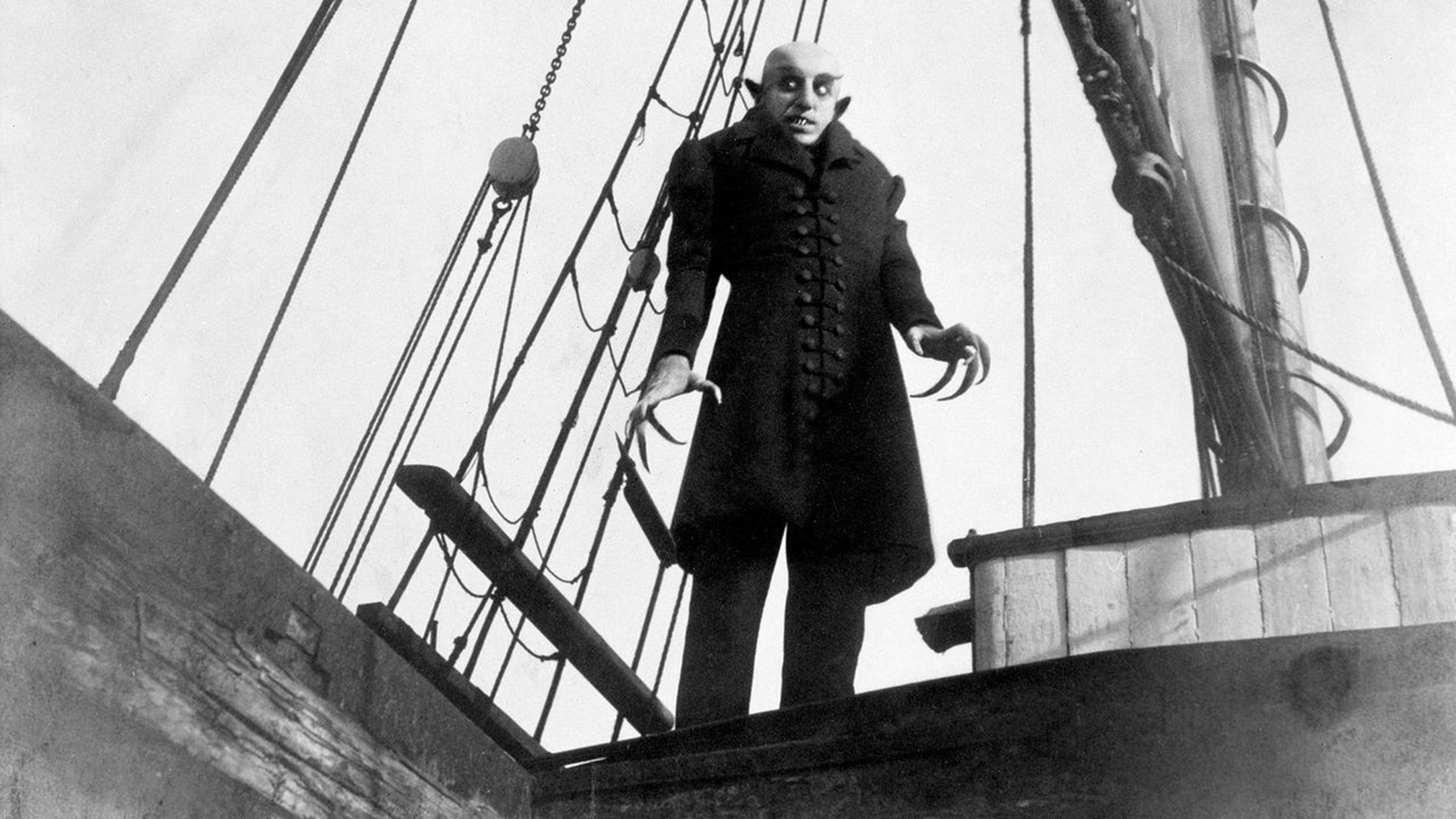
Image Credit © Public Domain Although vampire films are essentially a genre of their own, the 1922 originator Nosferatu still stands as the creepiest, darkest and most innovative vampire movie to haunt the screen. Based on Bram Stoker’s Dracula (legal reasons saw many a character name change) and directed by F.W. Murnau (Faust), Nosferatu is a silent film classic that proves a picture can deliver a thousand scares and features one of the great performances in Max Schreck’s monstrous Count Orlock. Murnau’s use of shadow and framing gives the film a constant sense of unease, while Schreck’s stiff movements and gaunt appearance make Orlock feel less like a man and more like something that simply should not exist. The result is a work that still unsettles more than a century later. #5 THE THING (1982)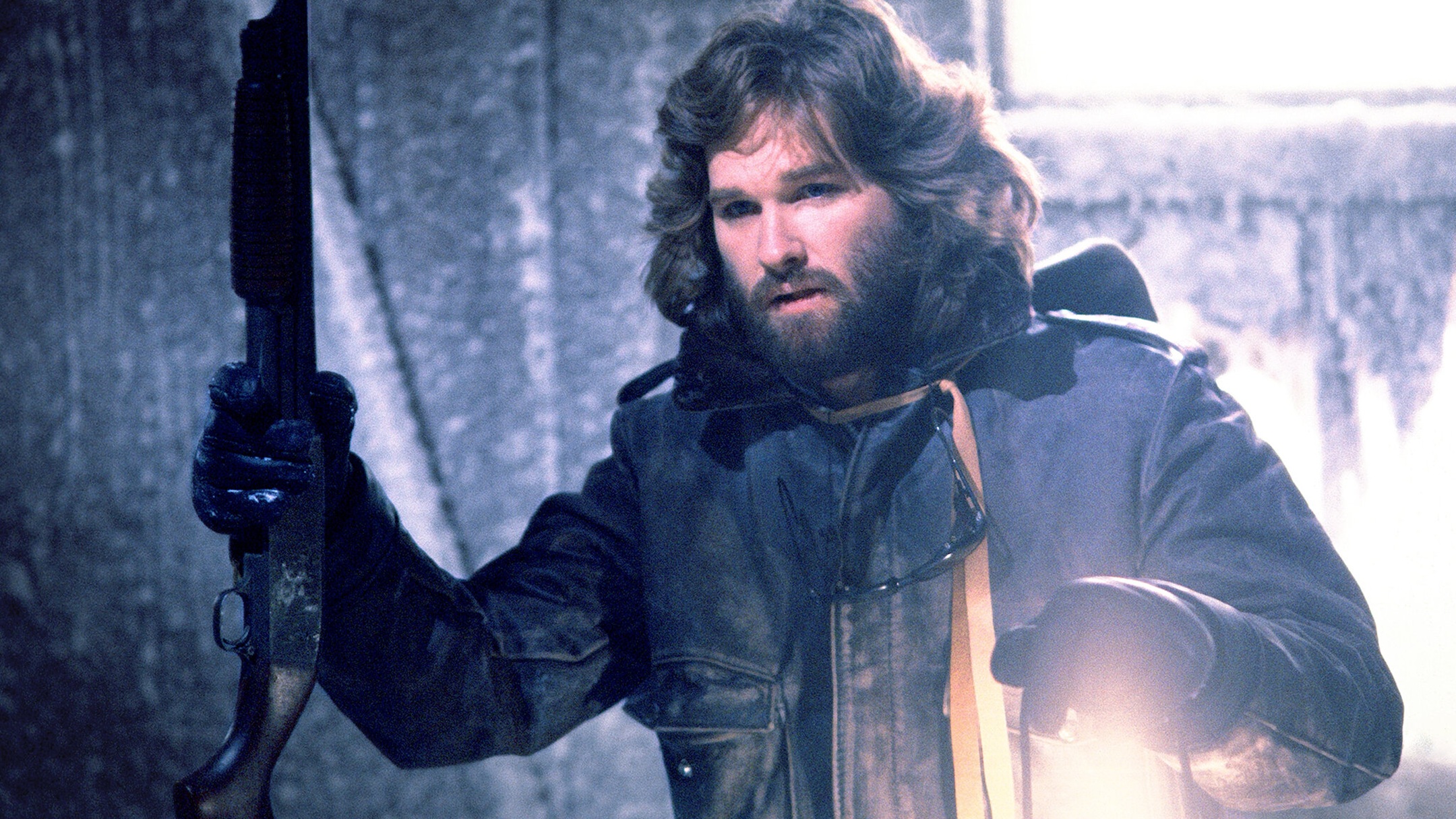
Image Credit © Universal Pictures The best film from horror maestro John Carpenter (Halloween), The Thing is a dark, edgy monster movie that expertly combines sci-fi thrills with gross-out horror, the effects work of Rob Bottin a masterpiece in practical effects wizardry. Carpenter stalwart Kurt Russell stars as one of several American personnel trapped in an Antarctic military base station, where an unearthed alien literally rips through, consumes and impersonates them. The constant uncertainty over who can be trusted turns every scene into a test of paranoia. The line “You’ve got to be fucking kidding me!” still stands as one of the best uttered in horror cinema. Carpenter’s tight control of atmosphere and the film’s refusal to offer easy answers keep the dread alive long after the credits. #4 GHOSTBUSTERS (1984)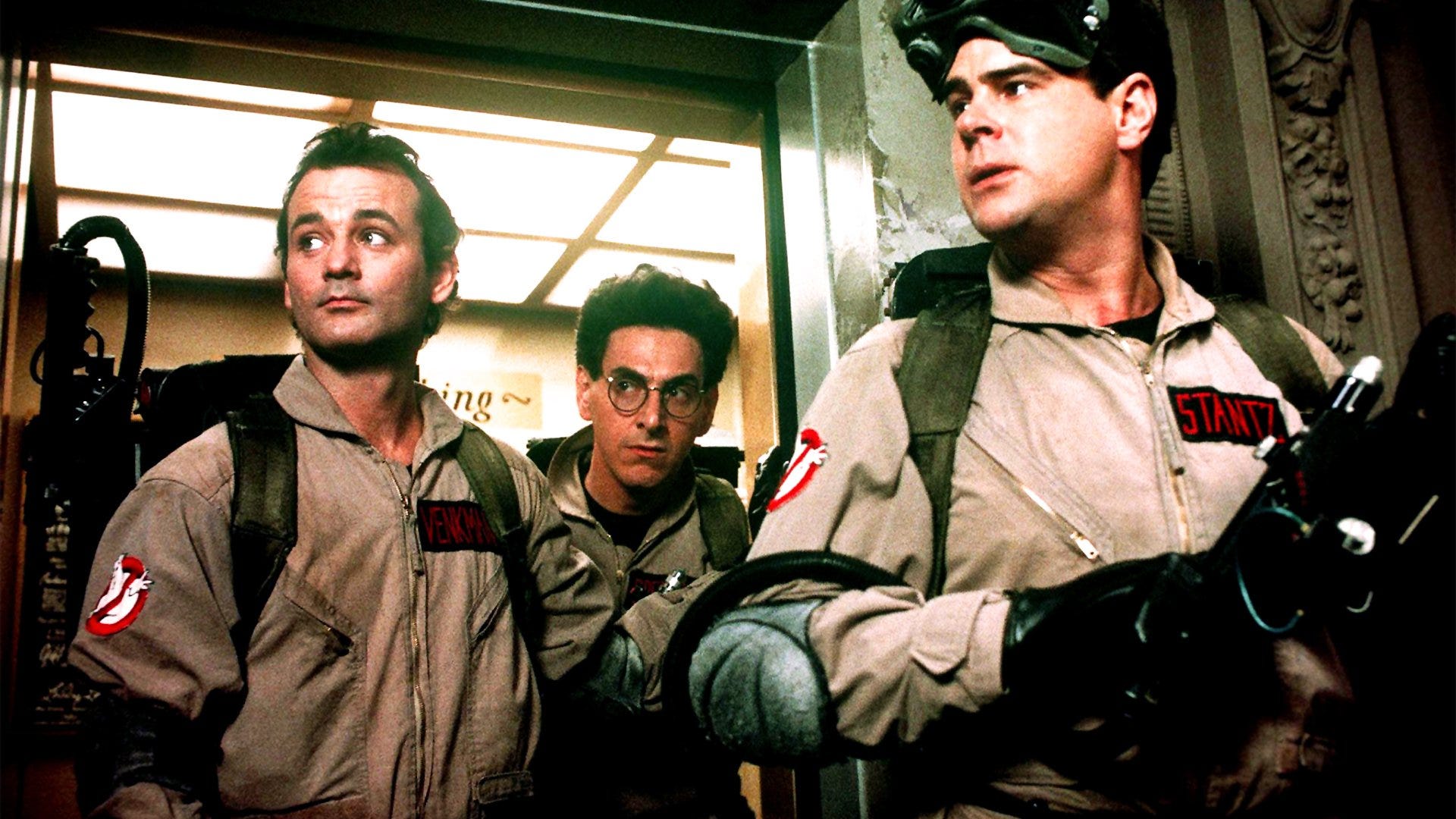
Image Credit © Sony Pictures The best combination of spooks and laughs that you will ever find, Ghostbusters successfully juggles supernatural thrills with witty comedy to make for always watchable movie that many have tried to emulate yet none can match. Starring a career defining Bill Murray, Ghostbusters follows a group of unemployed parapsychologists (Murray, Dan Akroyd and Harold Rammis) in their new business venture as ghost removalists during a time of heavy supernatural activity in New York City. Conceived by Akroyd (whose initial over the top first draft was taken down a few notches by co-writer Ramis and director Ivan Reitman), Ghostbusters features excellent special effects (the sight of a giant Marshmallow Man still does wonders), and brilliant performances from Harold Ramis, Dan Akroyd, Sigourney Weaver and especially Bill Murray whose dry, improvisational style, made his scientist turned ghostbuster Dr. Peter Venkman a joke cracking hero unlike no other.  #3 THE SHINING (1980)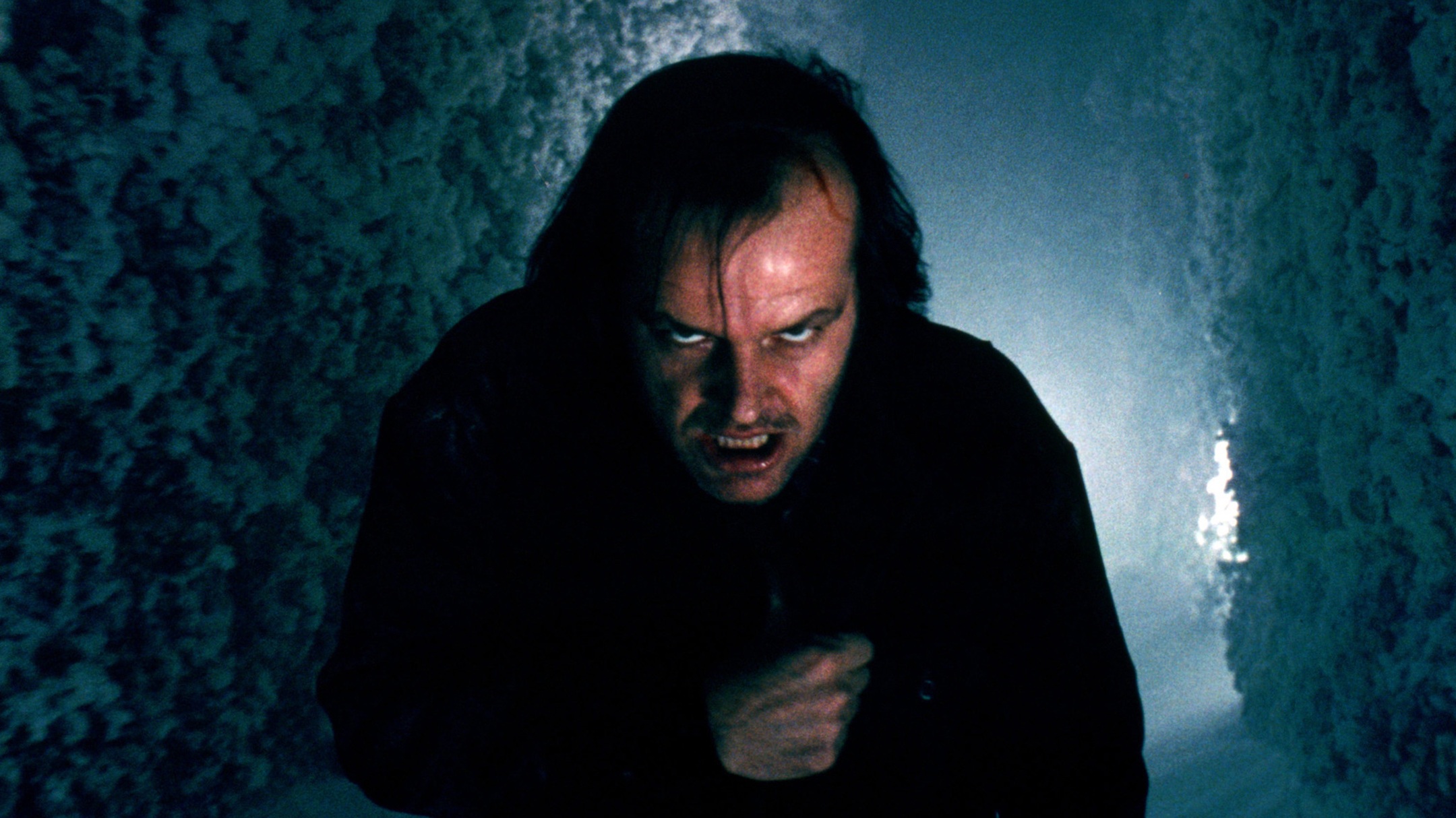
Image Credit © Warner Bros When Stanley Kubrick (Paths of Glory) turned his perfectionist gaze to horror with his adaptation of Stephen King’s The Shining, he created one of the genre’s best movies. The Shining is set in the remote Overlook Hotel situated in the Rocky Mountains, where novelist Jack Torrance (Jack Nicholson) and his family play caretaker during the winter season. It doesn’t take long for the evil spirits within to make themselves known, as they feed off Jack’s increasingly frail state and drive him to murderous insanity. With The Shining, Kubrick created a horror movie that is psychologically shocking in its atmosphere and violence. It is a film that creeps and crawls under the skin and leaves a lasting impact after the credits roll. It is no wonder then that the film has taken a life of its own, inspiring several conspiracy theories and whacky interpretations decades after the film’s release. #2 JAWS (1976)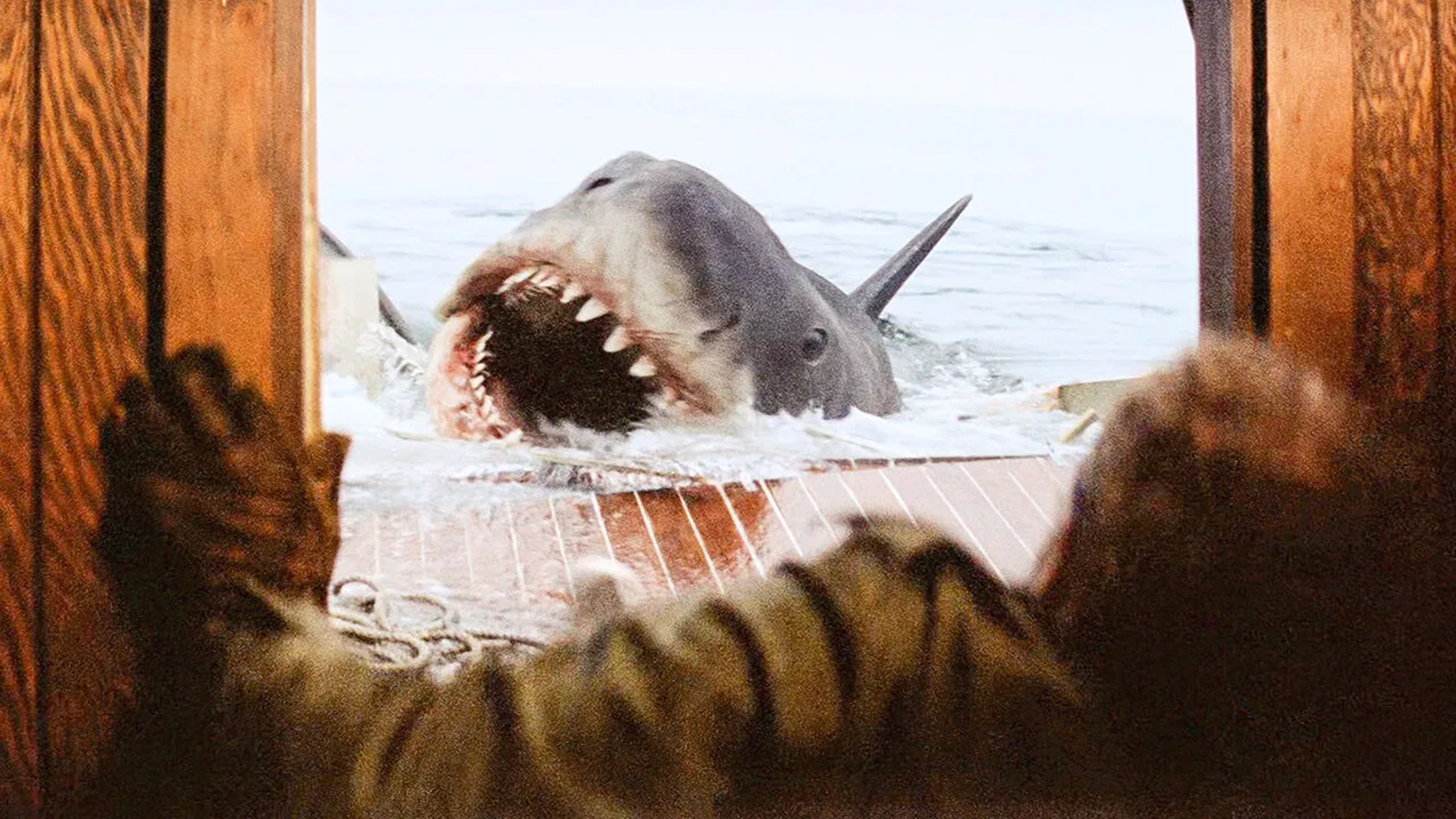
Image Credit © Universal Pictures Jaws established the career of Steven Spielberg, spawned the summer blockbuster, and inspired a legion of filmmakers. Most of all, Jaws inspired fear of the monster lurking beneath. In this case it is a giant man-eating shark that chomps through the populace of a seaside town until a trio comprised of a police chief (Roy Scheider), a marine biologist (Richard Dreyfuss) and a shark hunter (Robert Shaw) set off to face and destroy the great white death. The infectious chemistry between the three actors proves that the human characters are just as vital as the monster itself: a creature of violently chilling intent made even more frightening since humankind is a part of a food chain, especially in the vast. When that John Williams score hits and that giant sized fin emerges from the icy blue water, horror at its most pure is achieved. #1 THE EXORCIST (1973)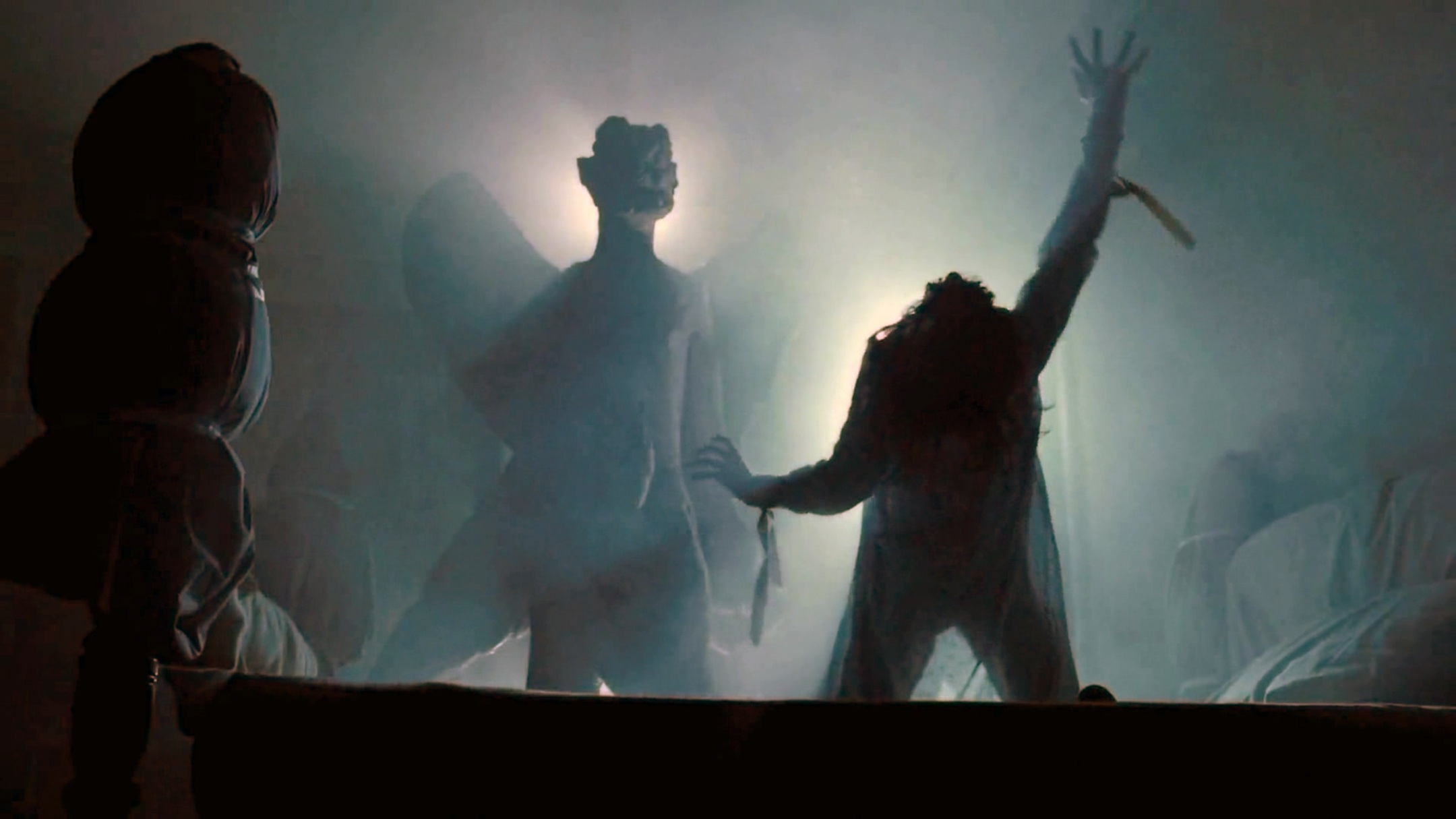
Image Credit © Universal Pictures Based upon the novel by William Peter Blatty (that was loosely based on true events), The Exorcist tells the story of a 12-year-old girl (Linda Blair) possessed by a demonic entity. Parallel to that is the story of a Jesuit priest (Jason Miller) who is asked to confront this evil while dealing with demons of his own. Directed by William Friedkin (The French Connection), The Exorcist delves into heavy themes of faith and the eternal battle of good versus evil. The Exorcist also chronicles the repulsive transformation of a child into a monster of unspeakable evil and does so in a stark, realistic manner where the supernatural invades the real world and no one can hide behind the veil of “logic” while doing so. Its effect was instant. Film lovers were – and still are – repulsed by the horror of The Exorcist. Yet so too are they moved by its conclusions, where sacrifice and heroism were made by men representing good in their battle against evil.  RELATED CONTENT
|
|
Created and Edited by Matthew Pejkovic / Contact:
mattsm@mattsmoviereviews.net Logo created by Colony Graphic Design / Copyright © Matthew Pejkovic |